Is natural stone quality entirely subjective? +
No. Dimension, tolerance, fabrication, breakage and contract specification can be checked objectively. Acceptance of color, veining, texture and natural variation relates to design intent and buyer preference. Our work is to separate aesthetic preference, technical defect and application risk — then establish a common basis using samples, ranges, photographs and written criteria.
Different buyers prefer different colors and veining. How is that managed? +
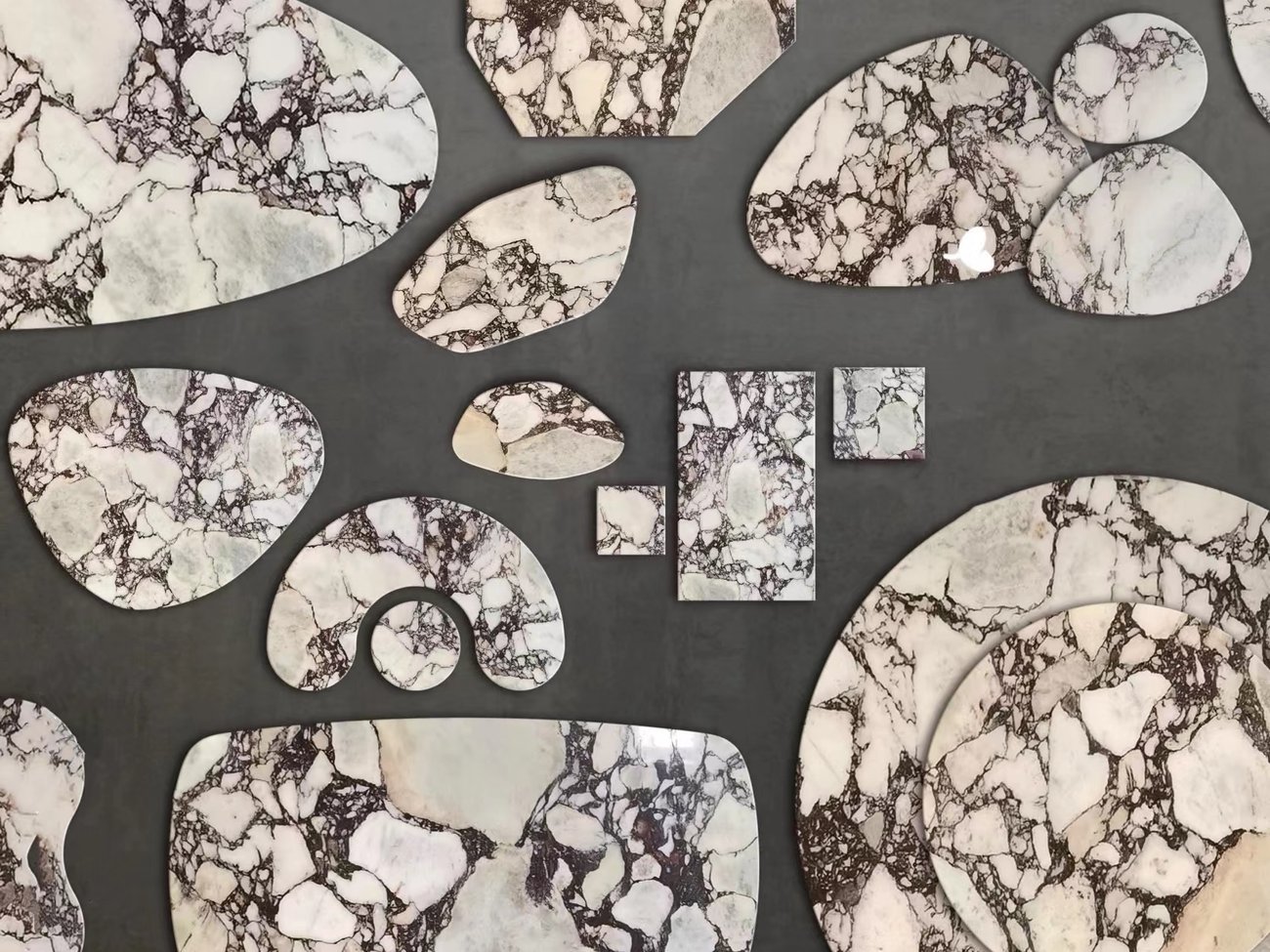
At the start of a project we establish the preferences of the end buyer, designer or designated approver — including warm or cool tone, light or dark, veining strength, uniformity, and acceptance of natural fissures and filling. Those preferences are then converted into project-specific execution and acceptance standards through a Client Stone Preference Brief, standard samples, upper and lower range samples, mockups and approved photographs.
Do you sell natural stone? +
Our core business is natural stone advisory and project management. Depending on the engagement, clients may purchase directly from a selected supplier, or through a structure agreed by both parties. Before work begins we state in writing whether we are acting as an advisor, project manager or procurement coordinator, and whether an affiliated supplier or any other commercial interest is involved.
Can you manage a supplier we already have? +
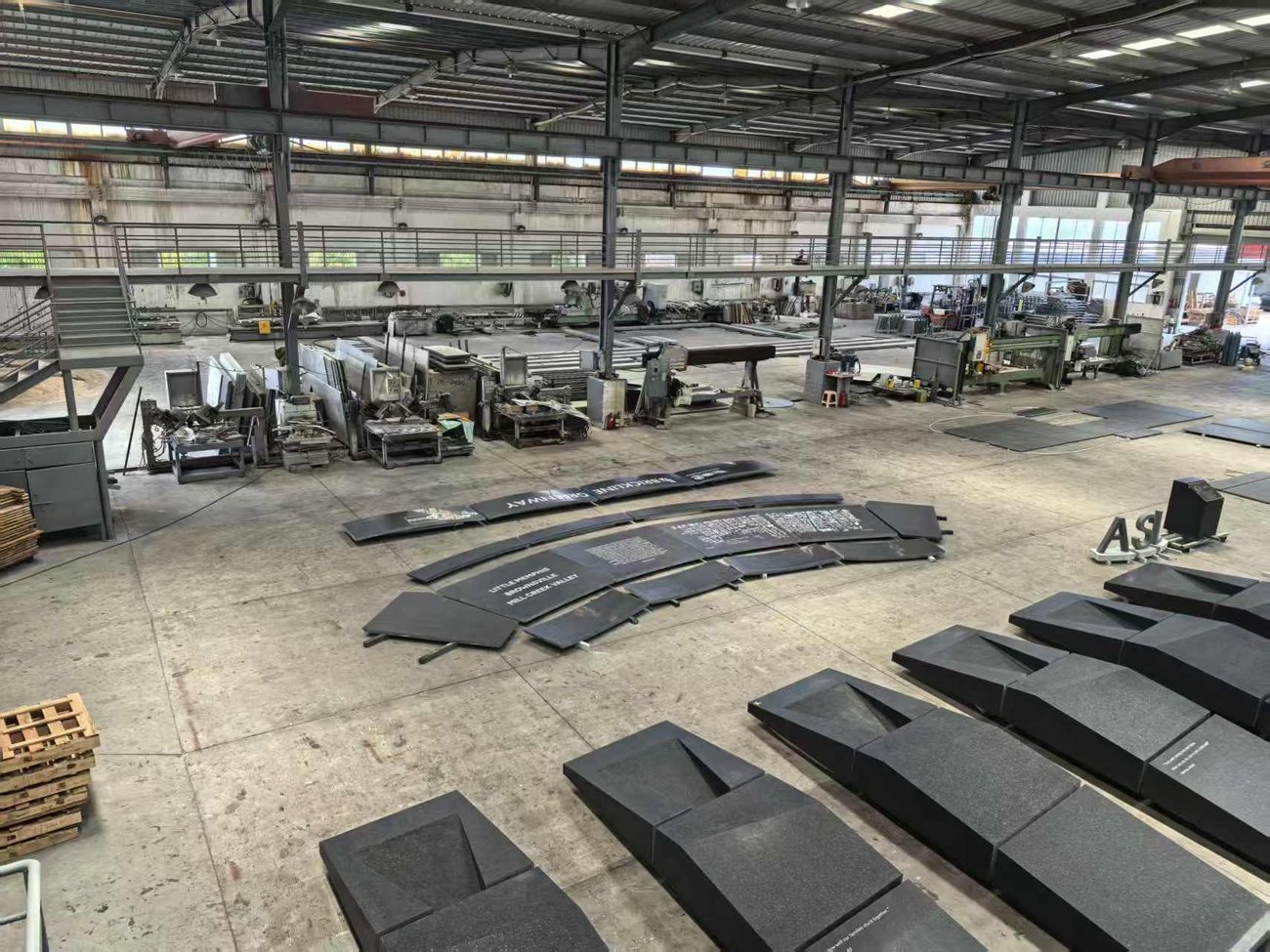
Yes. We can qualify the supplier, clarify requirements, manage production, perform inspection at agreed stages, and assist with packing and issue resolution — without necessarily changing suppliers.
Can inspection guarantee every piece is free of issues? +
No. No inspection eliminates all risk, and natural stone itself varies. Inspection scope, sampling rate, acceptance criteria and limitations are defined in the service document. Where 100% inspection is required and feasible, it is scoped separately.
Do you evaluate total cost from production to U.S. delivery? +
Yes, based on available project data and quotations, we compile material, fabrication, waste, reinforcement, packing, China inland transport, export, ocean freight and known destination costs into a landed cost comparison. Duties, taxes, terminal, drayage and destination fees should be confirmed by your broker, forwarder or relevant service provider.
Which countries do you cover? +
Currently China, Vietnam and Cambodia. Other countries can be discussed once local execution capability is confirmed.
How do you charge? +
We offer four engagement models depending on what you need: a fixed-fee Project Diagnostic before you commit to anything, a One-Time Assignment for a single task such as a factory audit or inspection, a Project Engagement for end-to-end management of a specific stone project, and a Monthly Asia Stone Office retainer for importers and distributors with ongoing volume. Fees may be fixed, milestone-based, monthly or calculated on project value, depending on scope, complexity, project location and the amount of on-site work required. After an initial project review, we provide a written scope describing services, deliverables, exclusions and fees before work begins. Professional service fees, pre-approved travel, third-party testing and external freight or customs charges are stated separately.
How do I know which stone is right for my project? +
Every stone family fails differently. Marble, granite, travertine and limestone, landscaping stone, sandstone and fabricated work each have their own points of failure and their own checks — vein-matching and fissure disclosure are a marble concern, bedding direction and absorption are a sandstone concern, tolerance stack-up is a fabrication concern. Our Stone Expertise pages set out what we actually check for each material, and a Project Diagnostic can apply that specifically to your drawings, application and destination climate before you commit to one.
How do I know what's happening during production if I'm not on site? +
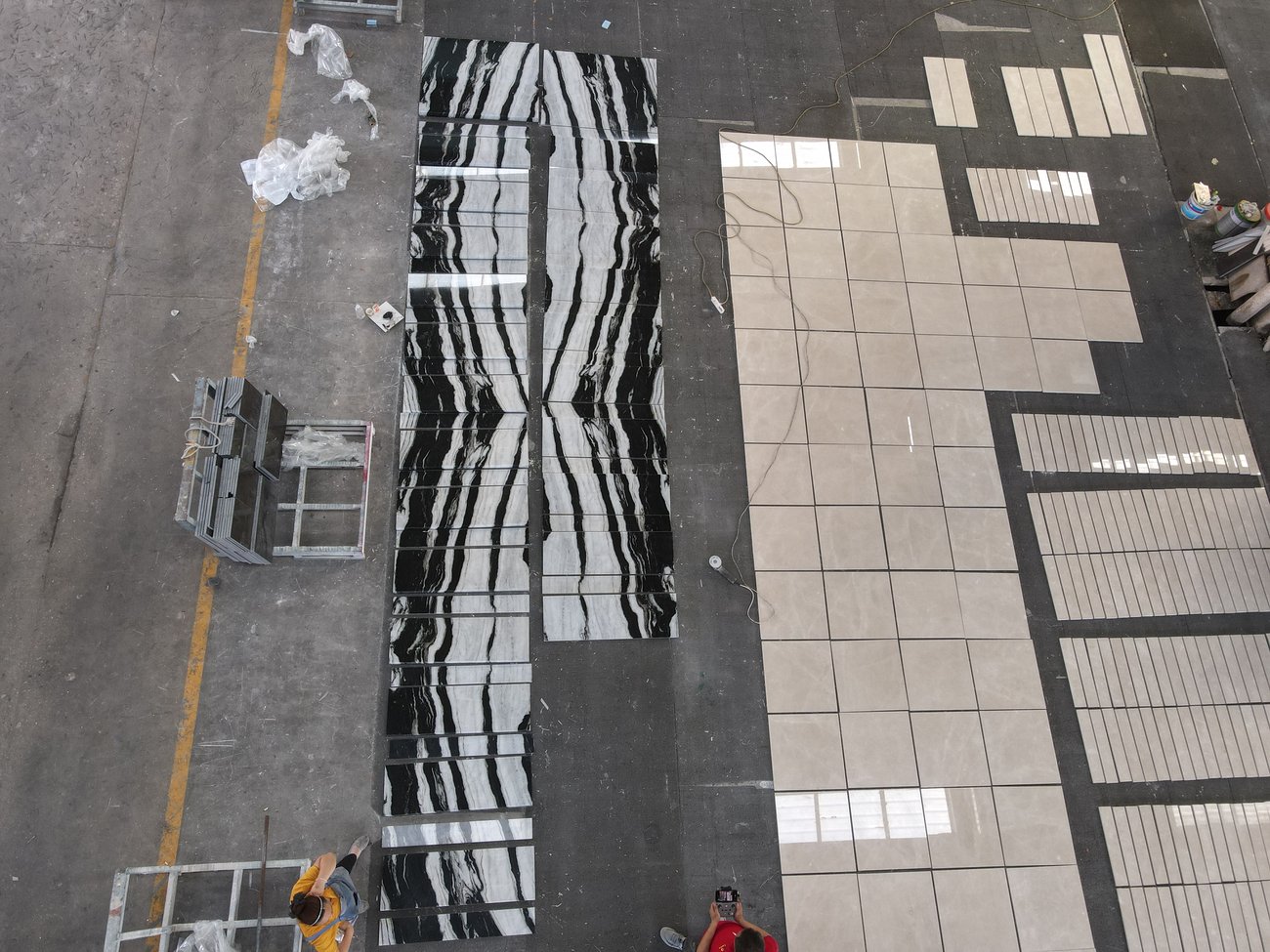
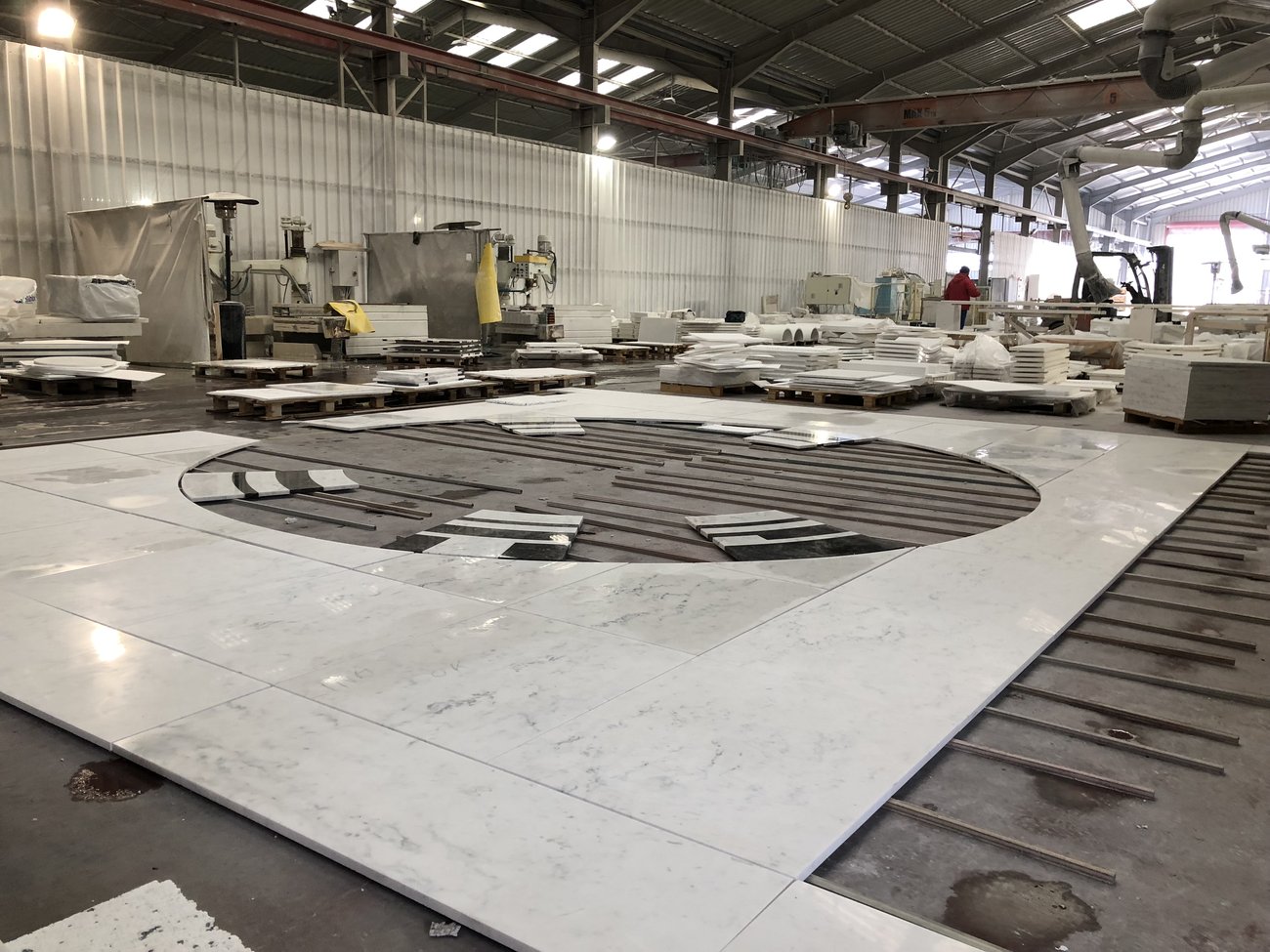
You don't have to take it on faith. Our eight-stage project model builds in a written deliverable at each stage — a weekly progress report during production, dated photographs, an inspection report before shipment, and a numbered layout drawing so the installer knows which piece goes where. See How We Work for the full model.
How do we get started? +
Send drawings, specifications, material references, quantities, destination, target schedule and your current supplier situation. We'll recommend the most suitable first step and a written scope of service.