What we actually check, material by material
Natural stone knowledge built through real projects — not a catalogue of stone names, but the specific things that go wrong in each family and the points where they can still be caught.
Marble, granite, travertine and limestone, landscaping stone, sandstone, and fabricated work. Every family fails differently, and every family has its own moment where a problem stops being fixable.
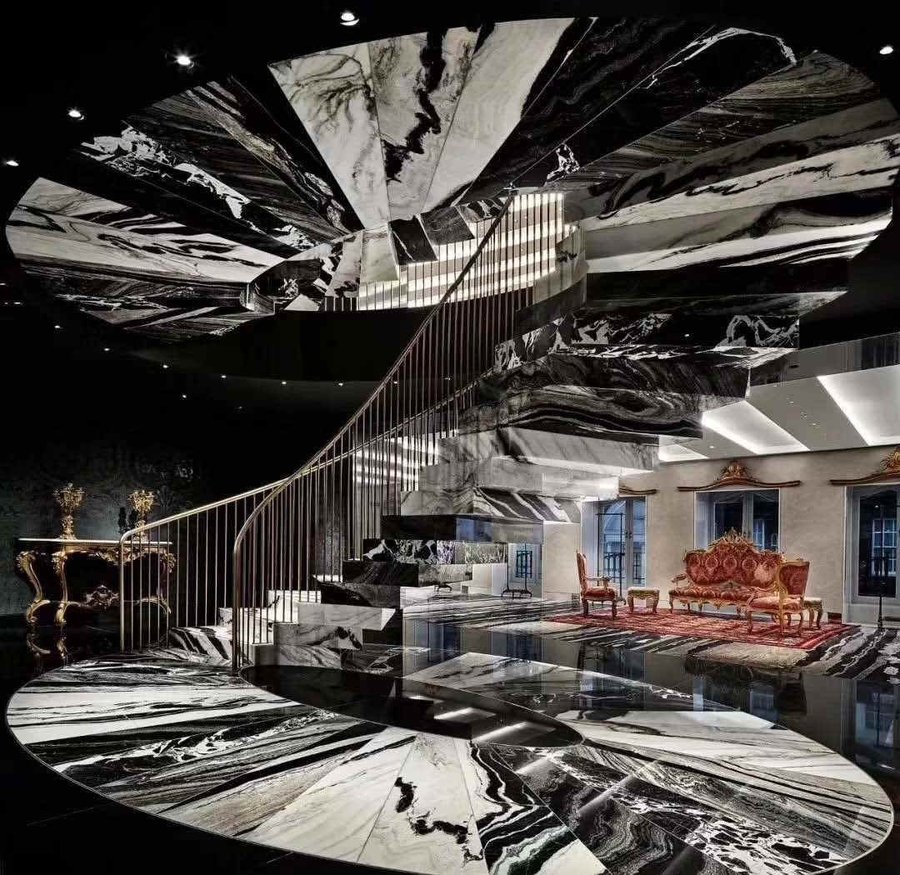
Marble
Vein direction, book-matching, fissures and colour range — the checks that decide whether marble reproduces consistently across a whole order.
See what we check →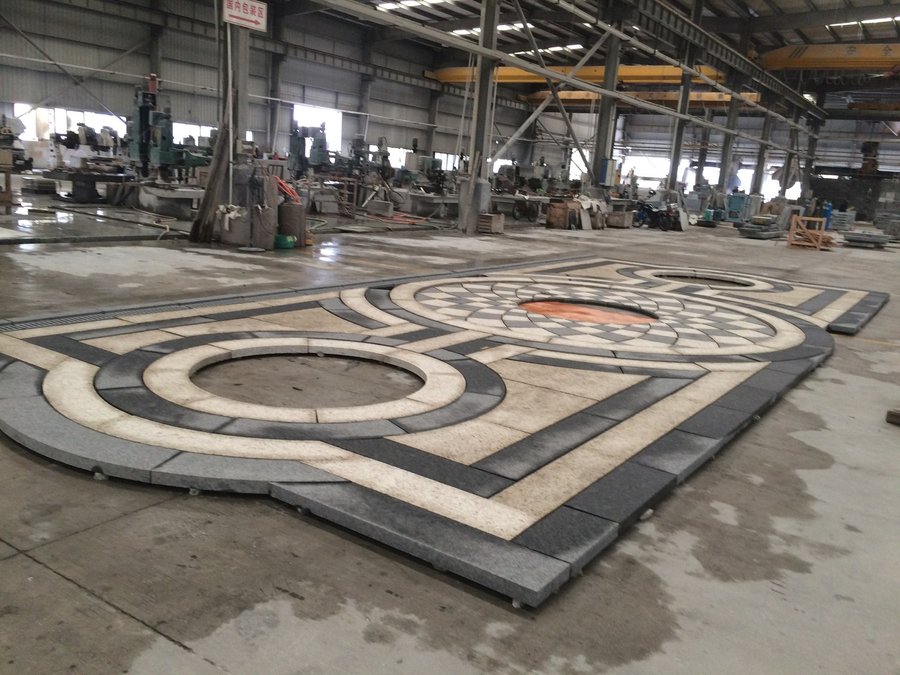
Granite
Block selection, cutting direction, finish and outdoor performance — harder and more stable than marble, but not more uniform.
See what we check →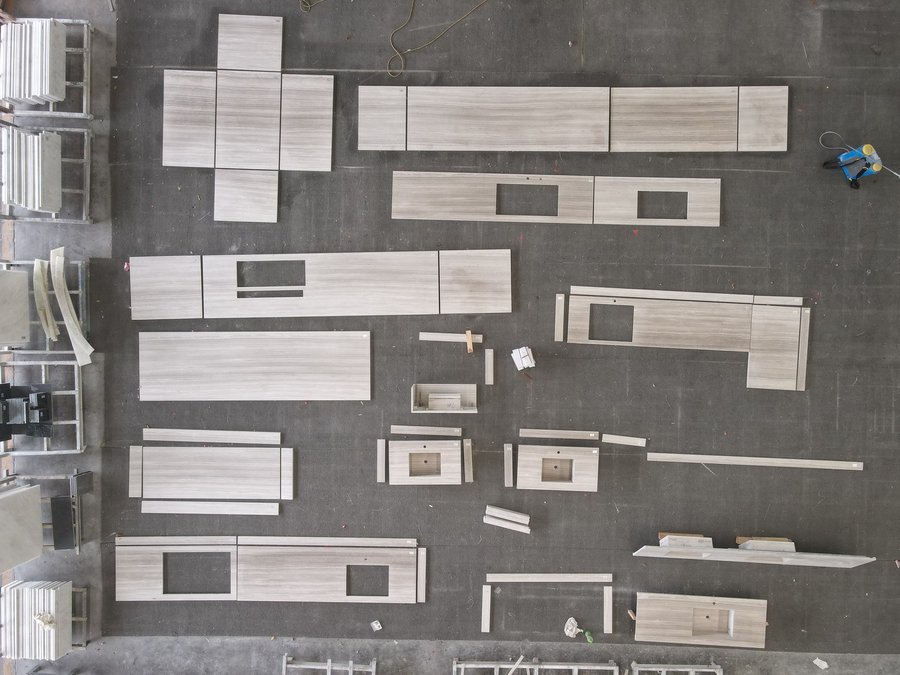
Travertine & Limestone
Porosity, fill quality and cut direction — two different stones grouped by how buyers ask for them, not by how they perform.
See what we check →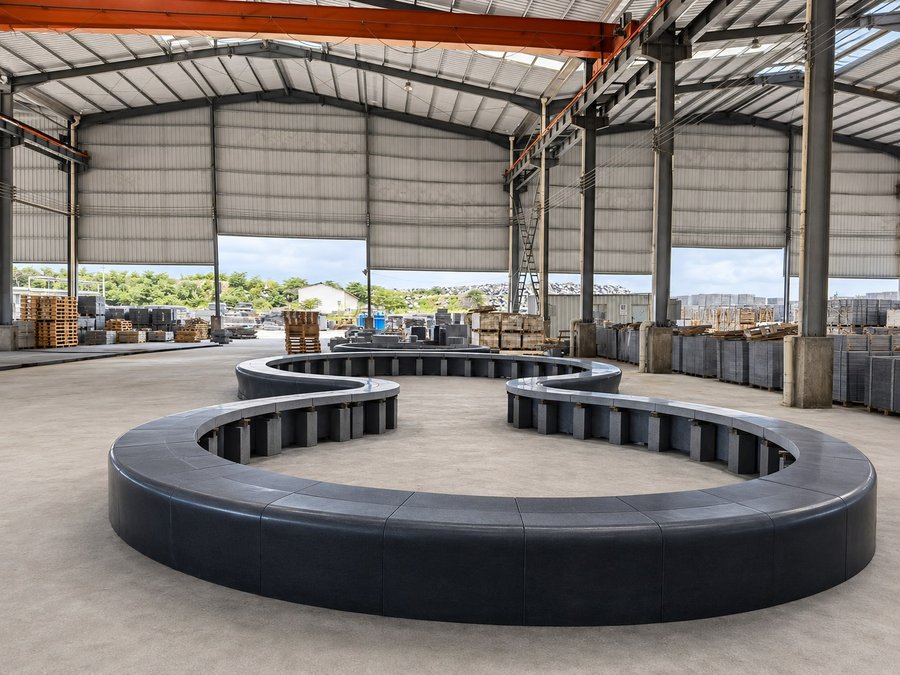
Landscaping Stone
Density, dimensional control and slip resistance — judged less on how it looks and more on whether it survives the environment it's going into.
See what we check →
Sandstone
Bedding direction, absorption and sealing strategy — sandstone rewards correct specification and punishes assumptions.
See what we check →
Fabricated Work
Shop drawings, tolerance stack-up and numbering — where the stone stops being a material and becomes a component.
See what we check →The risks that appear months later.
Some stone problems cannot be seen at inspection, because they have not happened yet. They are decided by material choice, environment and installation system — which is why suitability is assessed before the order, not after the complaint.
Rust spotting & mineral oxidation
Iron-bearing minerals within the stone oxidise after contact with moisture, producing brown staining that emerges from inside the material and cannot be cleaned off the surface.
Efflorescence
Salts migrate from the setting bed or substrate to the surface, leaving a white bloom. Frequently a bedding and moisture problem, not a stone defect — but the stone gets blamed.
Water absorption & staining
Porous stone absorbs oil, wine, acid and cleaning products. Sealing reduces but does not eliminate this, and the wrong sealer can change the colour permanently.
Freeze-thaw damage
Absorbed water expands as it freezes. In cold climates this decides whether an exterior paving or cladding stone survives its first few winters.
Surface change and wear
Polished gloss dulls in traffic; honed surfaces burnish; softer stones etch on contact with acid. Expected change should be agreed at specification, not discovered at handover.
Installation-system interaction
Adhesive, setting bed, movement joints, anchoring and backing material all affect how the stone performs. Those decisions belong to the engineer and installer; we flag where the material is sensitive to them.
We raise these risks and recommend mockups, testing or sealing where warranted. Structural, waterproofing and installation design decisions remain with the licensed engineer, architect or installer.
Not sure whether the stone you have chosen suits the application?
That question is cheaper to answer now than after the container arrives. Send the material reference, the application and the environment, and we will tell you what we would want to check.