From project requirement to shipped container, in eight stages
Each stage has defined work, a written deliverable, and a point where someone signs off. Nothing moves forward on a verbal understanding.
The homepage shows a seven-step summary. This is the full model, including the reporting protocol and how cost and risk are managed at every stage rather than reviewed at the end.
Eight stages, each ending in something written down.
Not every project runs all eight. A supplier you already use may start at stage four; a diagnostic engagement may stop after stage two. The scope is agreed before work begins.
 01DISCOVERY
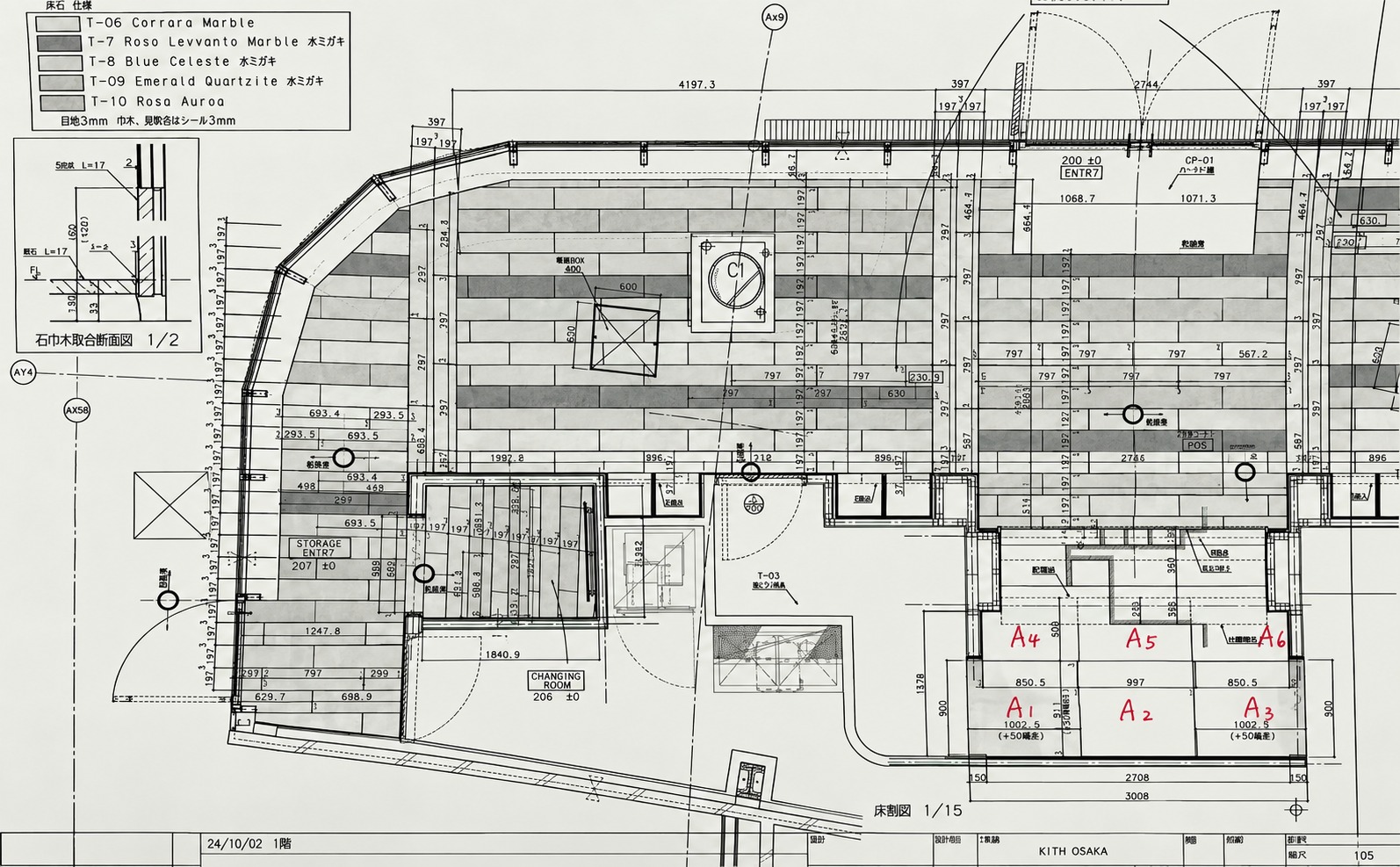
Project Discovery
Understand the project, the parties involved, the material scope, the destination and the programme. Establish who approves what, and where the real constraints sit.
 02STANDARDS
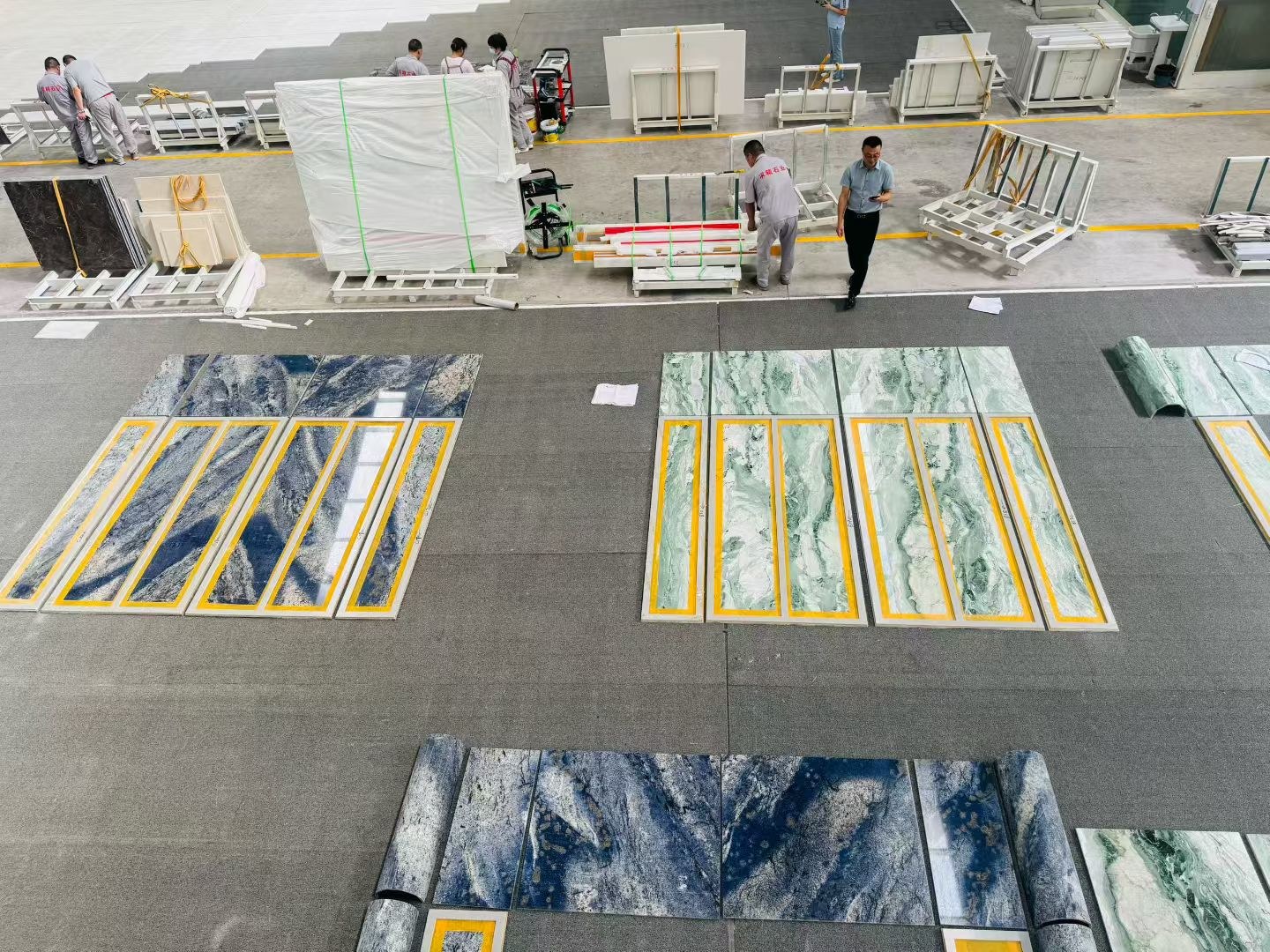
Preference & Standards
Understand how the buyer responds to colour, veining, texture and natural variation, then combine that with drawings, application and budget to form an executable standard. This is the stage that prevents most later disputes.
 03SOURCING
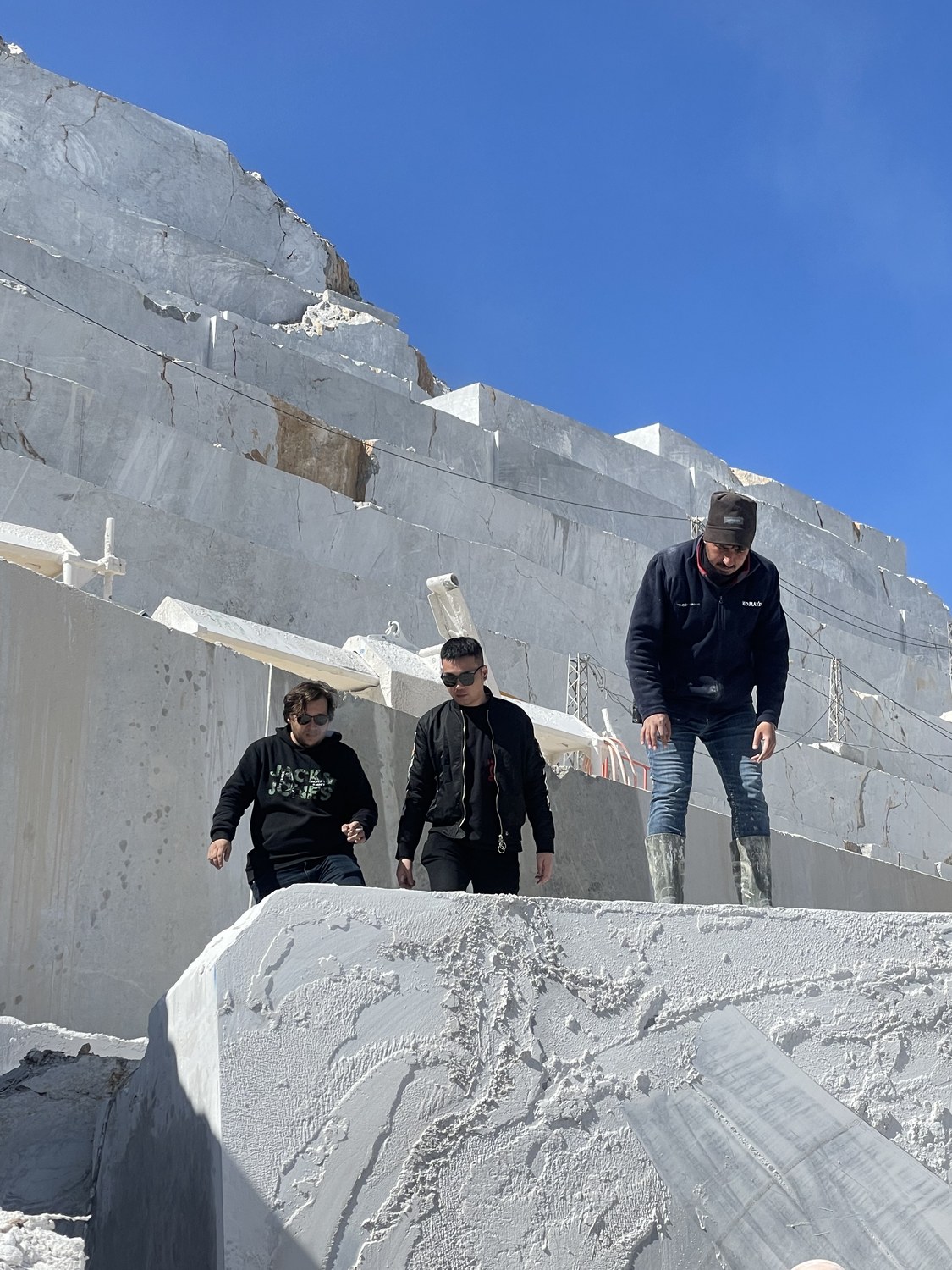
Supplier Search
Identify and compare suitable stone sources and processing capability across China, Vietnam and Cambodia — narrowing the field before you spend time on enquiries.
 04QUALIFICATION
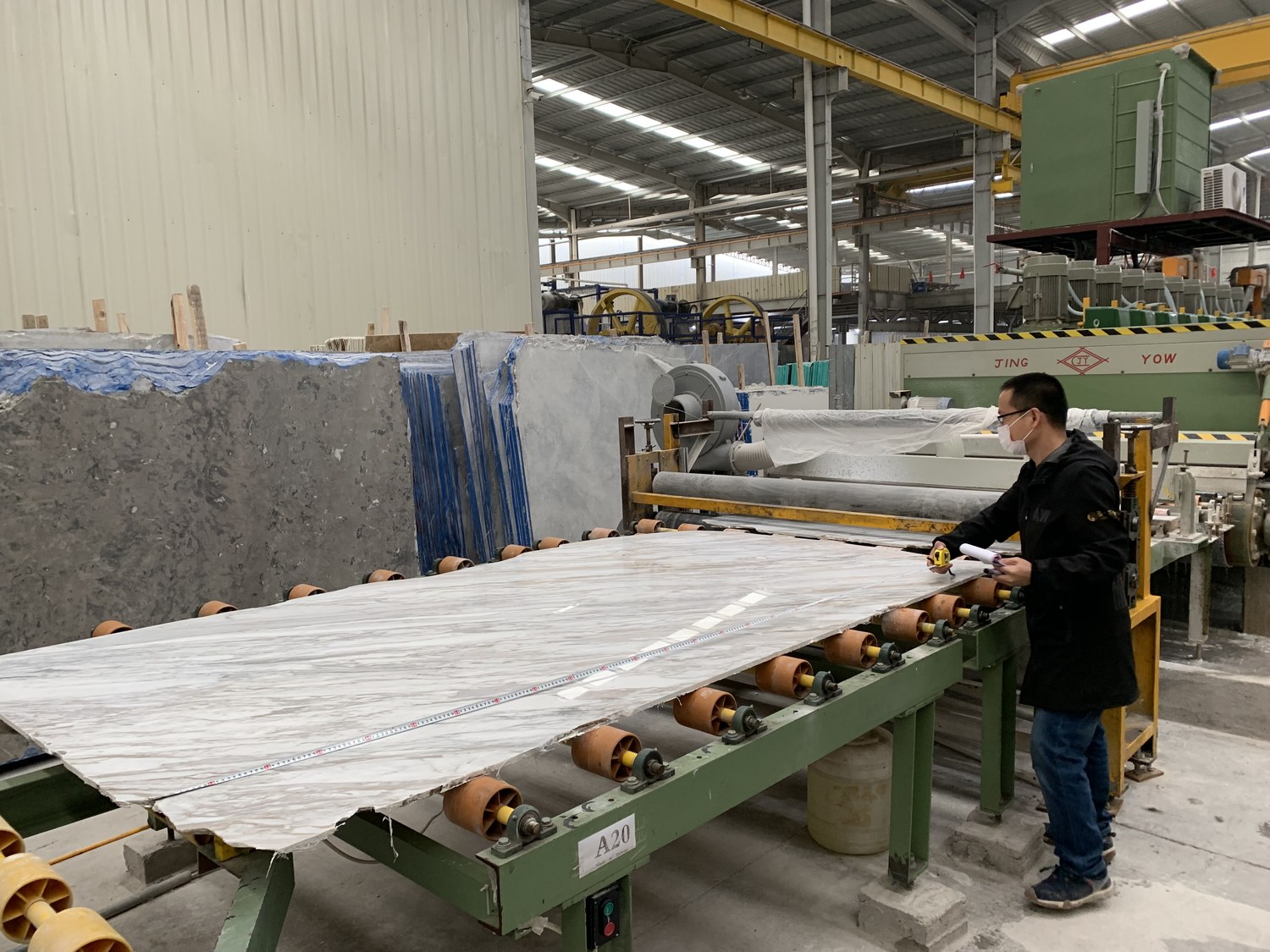
Supplier Qualification
Review capability, real capacity, quality control and commercial fit. Identify outsourced processes and where material traceability could break down.
 05APPROVAL
Sample Approval
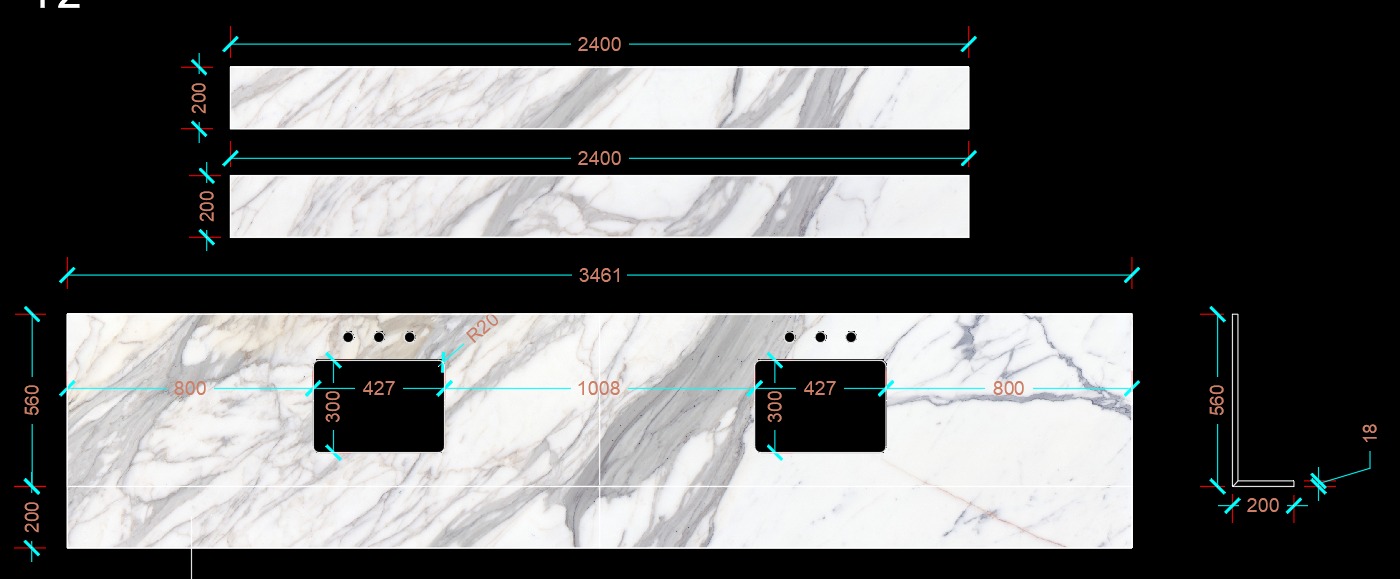
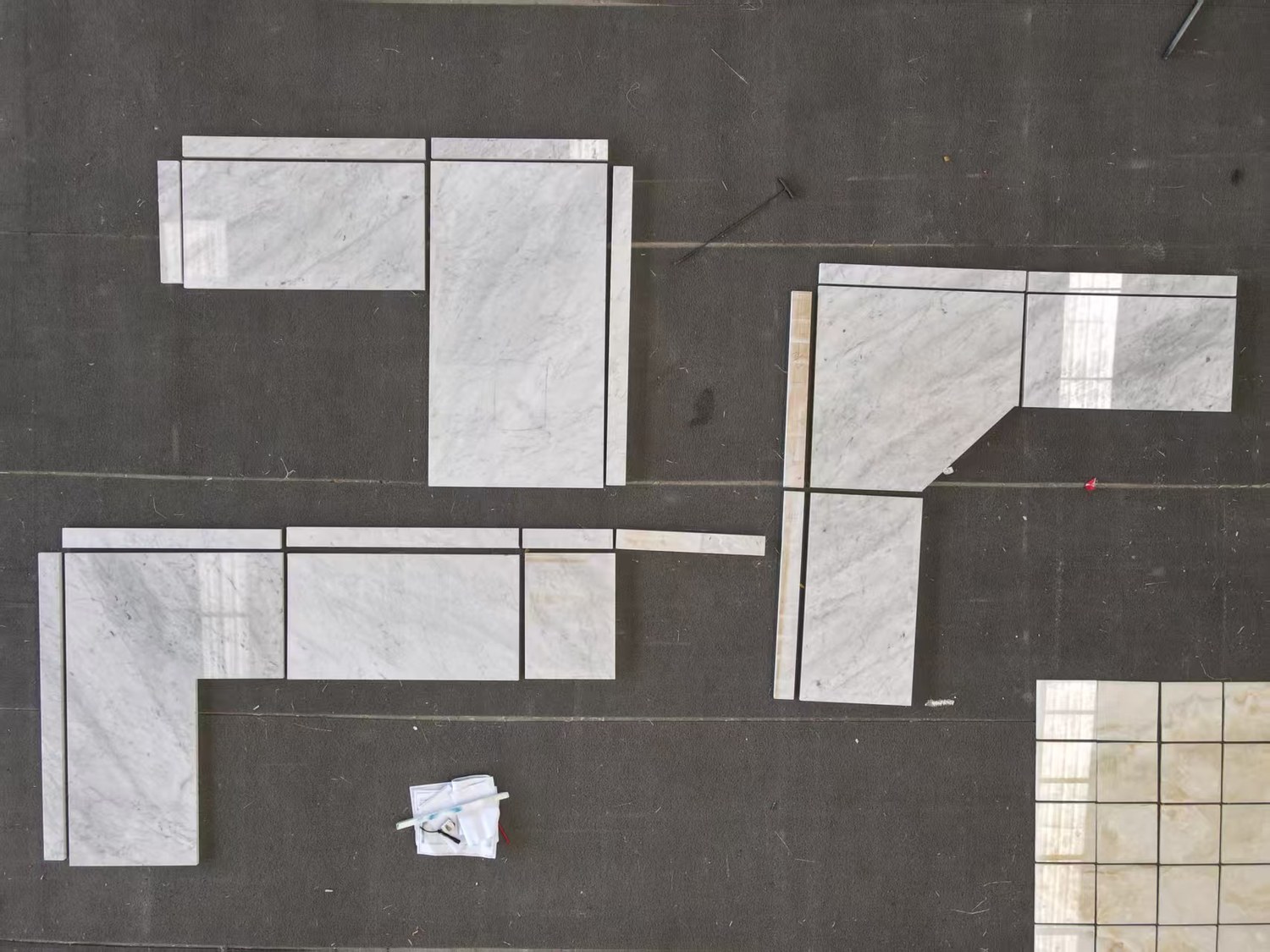
Coordinate standard samples, range samples, finishes, mockups, pricing and pre-production confirmation — and record the decision, not just the outcome.
 06PRODUCTION
Production Management
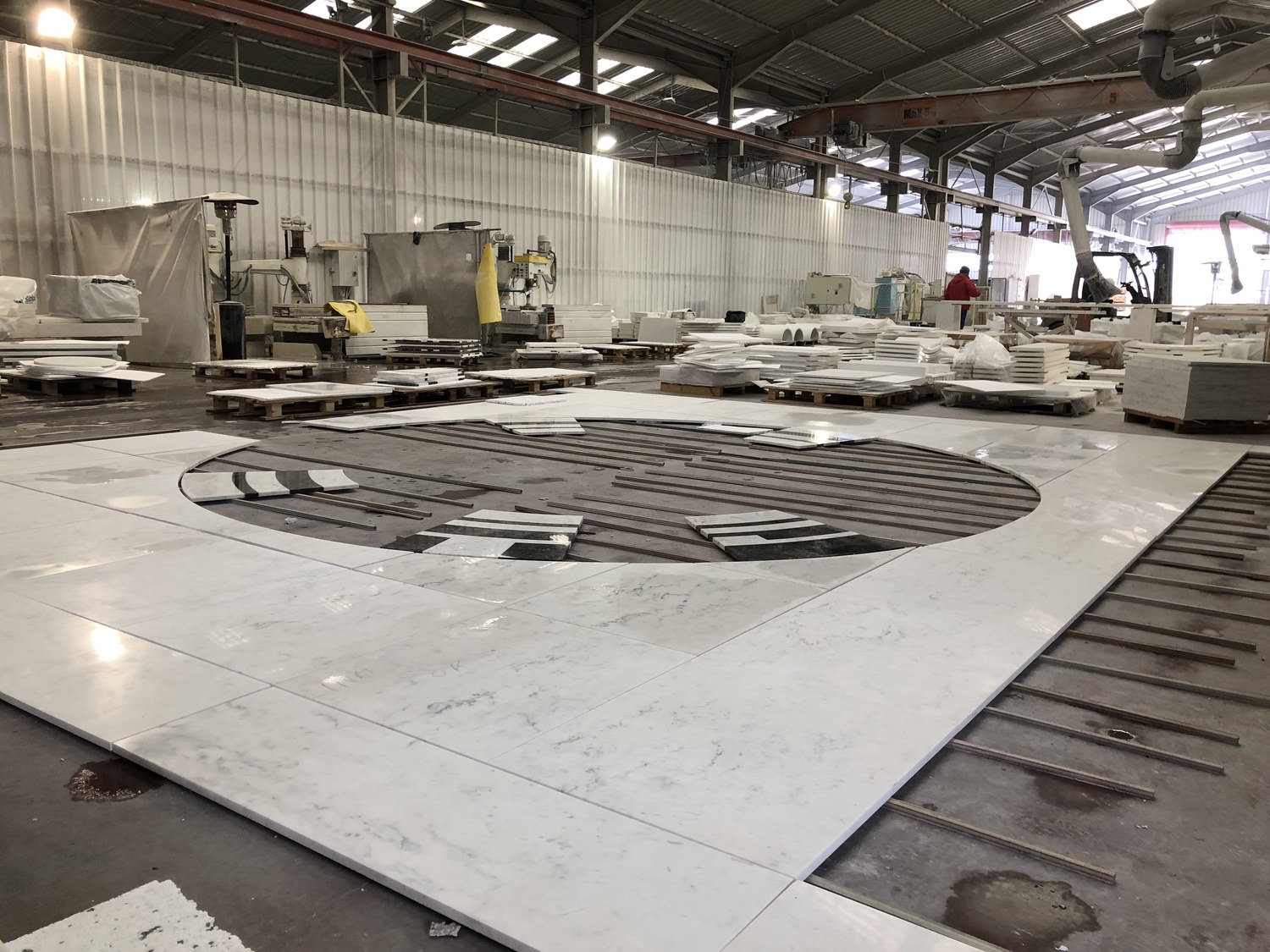
Track production and manage factory communication, open issues and corrective action. Problems get solved on the factory floor, where they are cheapest to solve.
 07VERIFICATION
Pre-Shipment Verification
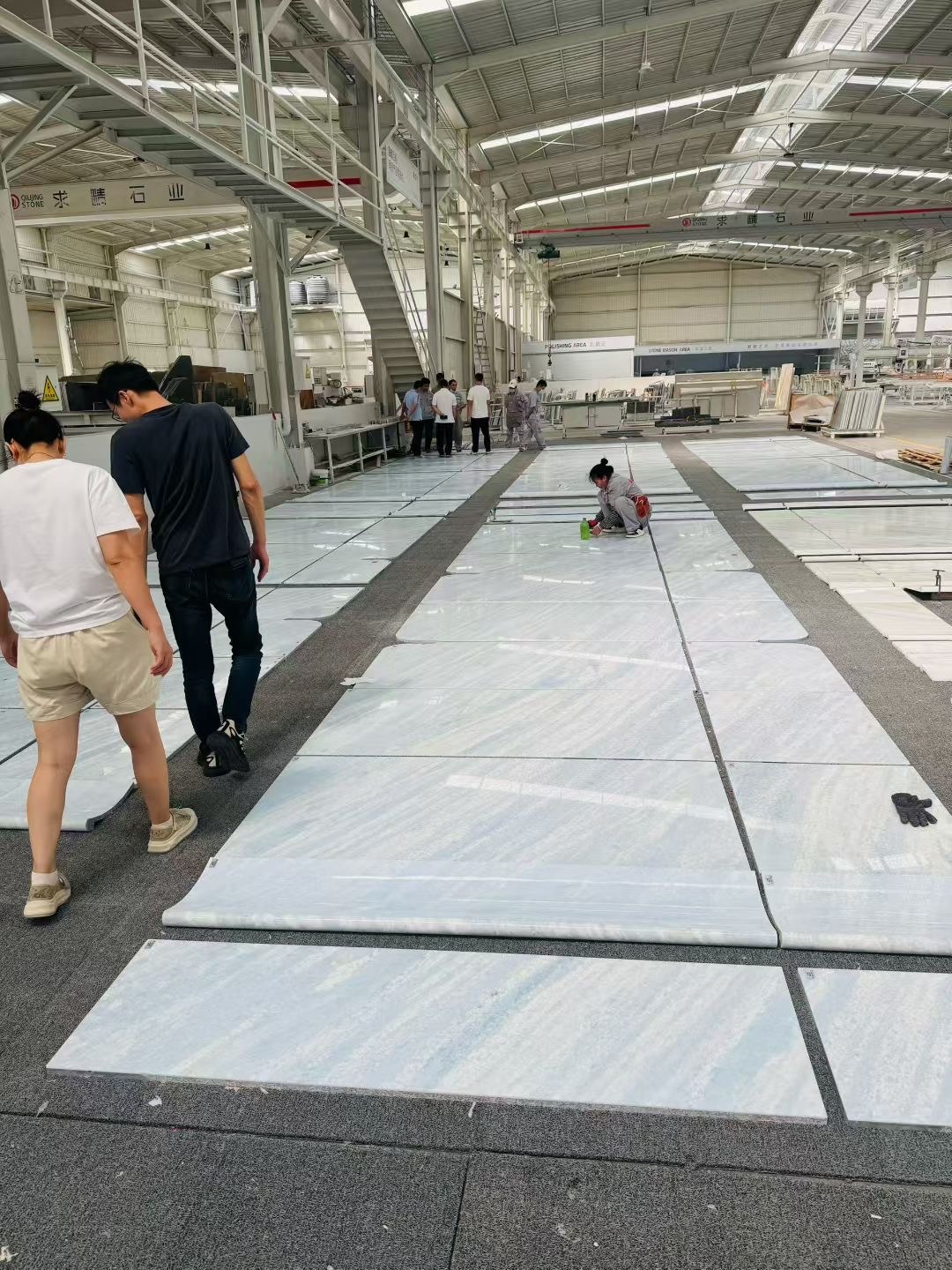
Inspect against the agreed scope and track anything unresolved. Release or hold is a documented decision, not an assumption.
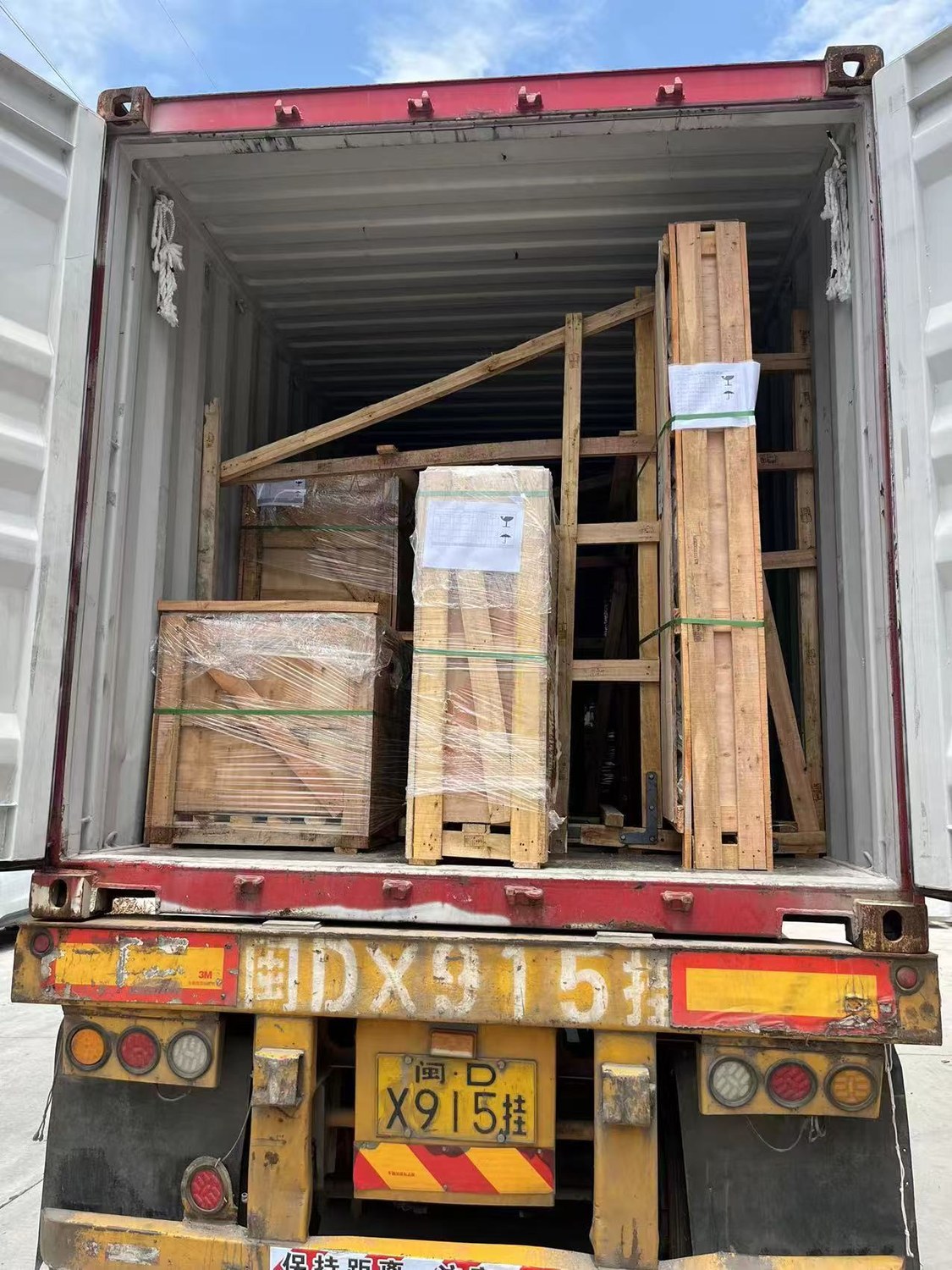 08CLOSE-OUT
Export & Close-Out
Support packing, loading, documentation, handover and — where needed — claim evidence. The project ends with a file you can still use twelve months later.
How we communicate day to day.
Cross-time-zone projects usually fail on communication structure, not technical capability. These are the working rules we propose; specific commitments are confirmed in the scope of service.
One point of contact
You nominate a single contact and who holds final approval authority. We do the same. Decisions do not get made in side conversations.
Aesthetic approval stays with you
Where judgment is aesthetic, final approval rests with the owner, designer or the person you nominate. Our role is professional advice, standard translation and execution checking.
Written action lists
Every open item has a named owner and a date. Verbal conclusions are confirmed in writing before they are treated as decisions.
Weekly updates during production
A written progress update while the order is running — photographs, completed milestones, open items and what needs a decision from you.
Immediate escalation
Material, quality or schedule risk is raised as soon as we see it. We do not hold significant problems for the next scheduled report.
Traceable records
Photographs and documents are matched to purchase order, batch, crate or project area wherever practical — so evidence is usable later.
Response times vary with travel and production season. Projects matching our service scope and scale are reviewed by Ken personally; day-to-day communication may be handled by the project team. If a fuller answer needs a few days, we will say so rather than send a holding reply.
Most stone disputes are not technical. They are definitional.
Two parties agreed on “white marble with light grey veining” and each pictured something different. Nobody wrote down how much variation was acceptable. Six months later a container arrives and both sides are certain they are right.
The eight stages exist to close that gap early, in writing, while the material is still in the factory and still re-cuttable.
Cost control is not a stage. It runs through all eight.
Most overruns are decided long before anyone notices them — in an incomplete quotation, or an approval nobody wrote down.
At quotation
Confirm the specification, wastage, packing, export and freight assumptions sitting behind a unit price — so incomplete quotations are not compared as though they were equivalent.
At approval
Use standard samples, range samples, mockups, photographs and written criteria to reduce the gap between what each party believes was agreed.
During production
Keep problems inside the factory. Rework, replacement, site delay and cross-border disputes all cost dramatically more once the container has sailed.
At shipment
Check packing, labelling, packing list, export documentation, booking information and the milestones that matter to your programme.
After installation
Flag the risks that show up later — absorption, rust spotting, mineral oxidation, efflorescence, freeze-thaw and surface change — based on stone type, environment and application, and recommend mockups, testing or sealing where warranted.
Everything in one place, structured the same way every time.
Each project gets its own shared folder that you can view throughout, using a consistent directory structure and a consistent photo naming convention — project number, date, stage, batch.
It sounds administrative. It matters when you are trying to establish, eleven months later, exactly which batch was approved and on what basis.
At close-out we compile the complete archive for you to download and keep. Online storage periods are defined in the service agreement.
Where does your project currently sit?
Still selecting material, comparing suppliers, mid-production, or dealing with something that has already gone wrong — each has a different sensible next step. Tell us where you are and we will suggest one.